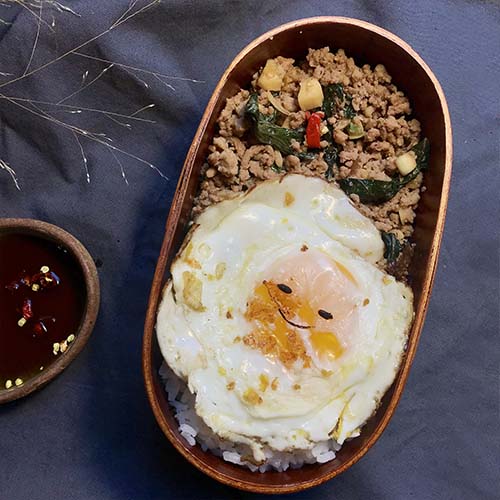
Imagine a dish that’s a whirlwind of savory, spicy, and aromatic flavors, cooked in mere minutes, yet leaving an unforgettable impression. That, my friends, is Pad Kra Pao. This iconic Thai stir-fry is a beloved staple, cherished for its speed, simplicity, and incredible depth of flavor. But for many Western enthusiasts, chasing the true essence of this dish often leads to a delightful, sometimes challenging, culinary adventure: The Holy Basil Hunt.
Often translated as "holy basil stir-fry," the very name of Pad Kra Pao (also commonly spelled Pad Krapow, Phat Kaphrao, or Pad Gaprao) hints at its most crucial, yet often elusive, ingredient: kra pao, or holy basil. While many enjoy a version made with a more readily available herb, embarking on the quest for genuine holy basil is the secret to unlocking the truly authentic and unparalleled flavor experience of this Thai masterpiece at home.
The Heart of the Matter: Unmasking Real Pad Kra Pao
At its core, Pad Kra Pao is a vibrant stir-fry, most commonly made with ground meat (pork or chicken are traditional favorites) wok-tossed with a potent chili-garlic paste, savory sauces, and, crucially, a generous handful of fresh holy basil leaves. Served piping hot over a bed of fluffy jasmine rice, often crowned with a crispy fried egg with a runny yolk, it's comfort food taken to an exhilarating level.
But here's where the plot thickens for many home cooks outside of Thailand. The basil used in most Western Thai restaurants, and often labeled "Thai basil" in Asian markets, is typically a variety of sweet basil or cinnamon basil. While delicious in its own right, and perfectly suited for dishes like pho or certain curries, it's not the basil the name Pad Kra Pao demands.
Holy basil (Ocimum tenuiflorum or Ocimum sanctum) is a different beast entirely. It boasts a distinct, complex flavor profile that sets it apart. While sweet basil has a sweet, anise-like, peppery note, holy basil offers something more pungent, almost licorice-like, with hints of clove or even fennel. Its leaves are generally smaller, often with slightly serrated edges, and can sometimes have a purplish tint. It's this unique, robust, and slightly spicy aroma that provides the signature depth and aromatic kick essential to authentic Pad Kra Pao. Without it, you might have a delicious stir-fry, but you won't have *true* Pad Kra Pao.
The Elusive Leaf: Your Quest for Holy Basil
So, you're convinced: you need holy basil for your Pad Kra Pao. But where do you find it? This is often the most challenging part of the journey. For many, scouring local Asian grocery stores or international markets yields only "Thai basil" (the cinnamon basil variety) or common sweet basil. True holy basil remains a phantom.
Sourcing Strategies for the Dedicated Cook:
- Grow Your Own: The Ultimate Solution: This is often the most reliable and rewarding path for enthusiasts in regions where fresh holy basil is scarce.
- Seeds: Your best bet is to order holy basil seeds online. Several reputable seed suppliers carry them. Look for varieties like 'Thai Holy Basil' or 'Kaprao' for the culinary type.
- Cultivation: Holy basil thrives in warm climates, similar to its native Southeast Asia. Plant seeds in well-draining soil in a sunny spot after the last frost. Keep the soil consistently moist. It's a relatively vigorous grower, and with a little patience (a few weeks to a couple of months), you can develop a prolific patch in your garden or even in pots on a sunny balcony. Harvesting regularly by pinching off leaves encourages bushier growth.
- Specialty Asian Markets: While rare, some larger, well-stocked Asian supermarkets, particularly those catering to a broader Southeast Asian demographic, might occasionally carry fresh holy basil. It's worth asking the produce manager if they ever stock "kra pao."
- Farmers' Markets: In diverse urban areas, you might stumble upon a small, local farmer who specializes in Asian herbs. This is a long shot but worth investigating.
What if the hunt fails? Don't despair! While growing your own holy basil offers the most authentic experience, if you absolutely cannot find it, using cinnamon basil (the common "Thai basil" in the West) or even regular sweet basil is a perfectly acceptable alternative. It won't replicate the exact flavor profile, but it will still yield a vibrant and delicious stir-fry. As the saying goes, a good stir-fry with a substitute basil is always better than no stir-fry at all!
Crafting Your Own Authentic Pad Kra Pao: A Step-by-Step Guide
Once you have your precious holy basil in hand, the rest of the Pad Kra Pao journey is remarkably quick and straightforward. This is a dish designed for speed, often coming together in under 15 minutes, making it a perfect weeknight meal.
Essential Ingredients for Your Pad Kra Pao:
- Protein: 1 lb ground pork, chicken, or beef (or plant-based alternatives like crumbled tofu/tempeh).
- Aromatics: 3-4 cloves garlic, 3-5 fresh Thai bird's eye chilies (adjust to your spice preference), 1-2 shallots (optional, but adds depth).
- Sauces:
- 1 tbsp fish sauce
- 1 tbsp light soy sauce (or regular soy sauce)
- 1 tsp dark soy sauce (for color and mild sweetness)
- 1 tsp oyster sauce
- 1 tsp sugar (palm sugar preferred, but granulated works)
- A splash of water or broth for deglazing.
- The Star: 1-2 generous handfuls of fresh holy basil leaves.
- For Serving: Cooked jasmine rice, a fried egg (optional, but highly recommended!), and perhaps some Nam Pla Prik (fish sauce with chilies and lime) for the egg.
The Swift Stir-Fry Method:
- Prepare the Paste: In a mortar and pestle (or a small food processor), pound together the garlic and chilies until a coarse paste forms. If using shallots, add them now. This step is crucial for releasing their potent aromas.
- Heat the Wok: Heat 1-2 tablespoons of neutral oil in a wok or large skillet over medium-high to high heat until shimmering.
- Sauté Aromatics: Add the chili-garlic paste and stir-fry for about 30 seconds to 1 minute until fragrant. Be careful not to burn the garlic.
- Cook the Protein: Add the ground meat, breaking it up with your spatula. Cook, stirring frequently, until browned and slightly crispy.
- Add the Sauces: Pour in the fish sauce, light soy sauce, dark soy sauce, oyster sauce, and sugar. Stir well to combine, coating the meat evenly. Stir-fry for another minute, allowing the sauces to meld and caramelize slightly.
- Deglaze and Finish: Add a splash of water or broth to deglaze the pan, scraping up any delicious browned bits. The liquid should evaporate quickly due to the high heat.
- The Holy Basil Moment: Turn off the heat or remove the wok from the burner. Immediately add the holy basil leaves and toss vigorously until they just wilt. The residual heat of the wok is enough to cook the basil without overdoing it, preserving its unique flavor and aroma.
- Serve Immediately: Ladle the sizzling Pad Kra Pao over a mound of hot jasmine rice. If desired, top with a perfectly fried egg, crispy edges and a runny yolk, and a drizzle of Nam Pla Prik for an extra layer of zing.
Beyond the Basil: Elevating Your Pad Kra Pao Experience
While the traditional Pad Kra Pao focuses on meat, basil, and a few key aromatics, there's always room for personal touches once you've mastered the authentic base. You can experiment with different proteins, such as shrimp, sliced chicken breast, or even a mix of mushrooms for a vegetarian version. Some like to add thinly sliced green beans or bell peppers for extra crunch and nutrition, though purists might argue this deviates from the traditional simplicity.
Adjusting the spice level is entirely in your hands. For a milder kick, deseed the chilies or use fewer. For a fiery experience, add more! The beauty of cooking Pad Kra Pao at home is that it can be tailored precisely to your preferences, while still capturing the essence of this dynamic Thai dish.
The journey to making real Pad Kra Pao at home is more than just following a recipe; it's an exploration into the heart of Thai cuisine. The "Holy Basil Hunt" might require a bit of dedication and patience, but the reward – that unmistakable, aromatic, and deeply satisfying flavor of an authentic holy basil stir-fry – is undeniably worth every effort. So, go forth, find your kra pao, and savor the true taste of Thailand right in your own kitchen.
