The Indispensable Ingredient: Why Holy Basil Defines Authentic Pad Kra Pao
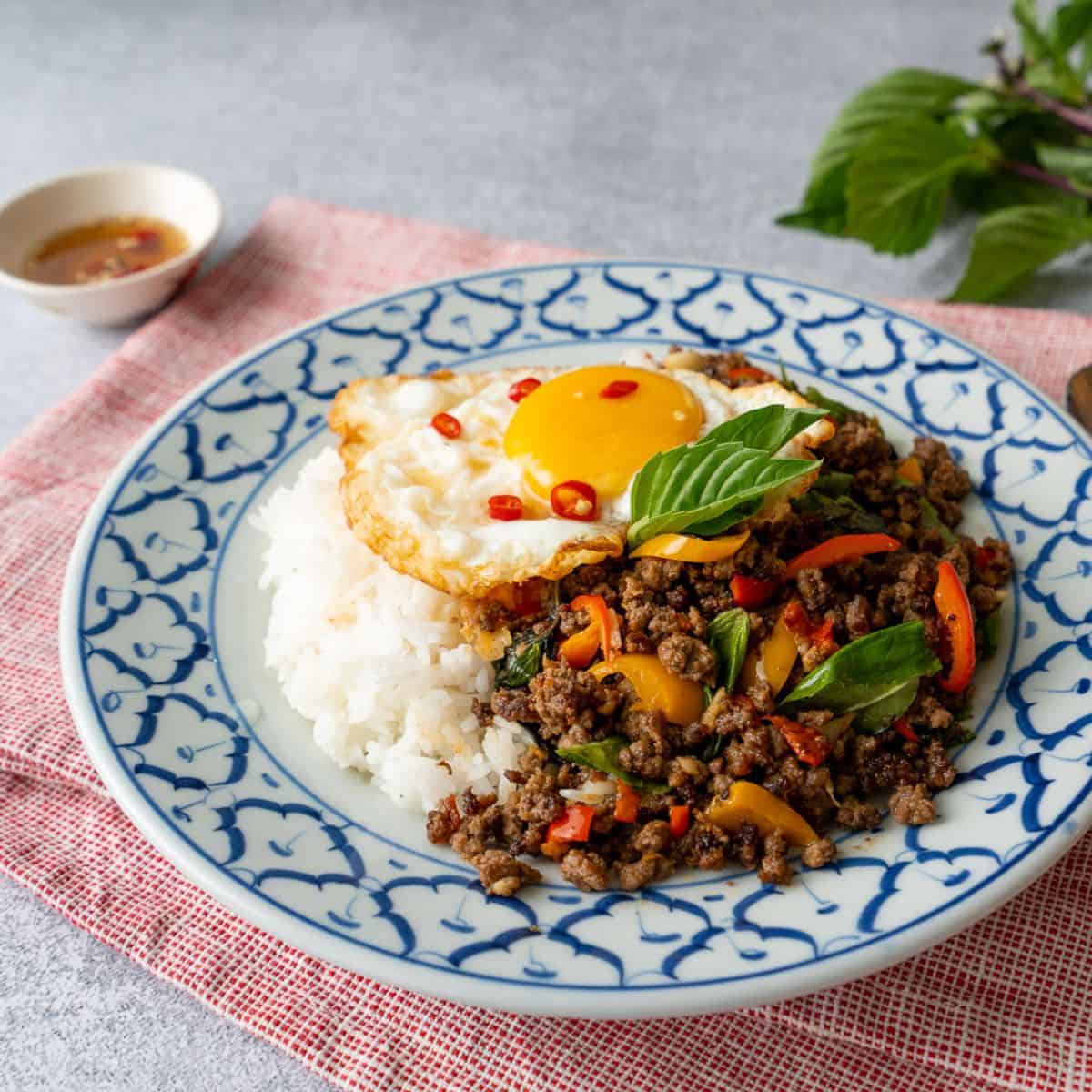
In the vibrant tapestry of Thai cuisine, few dishes capture the hearts and palates of food lovers quite like Pad Kra Pao. This fiery, aromatic stir-fry, often featuring minced pork or chicken, is a staple of Thai street food and a go-to for a quick, flavor-packed meal. While many versions exist outside of Thailand, discerning food enthusiasts and purists will tell you that the true essence of this iconic dish hinges on one crucial ingredient: holy basil. Without it, you might be enjoying a delicious stir-fry, but you're not experiencing genuine pad kra pao.
The name itself provides the ultimate clue. "Pad" means stir-fry, and "Kra Pao" (or Kaphrao) refers specifically to holy basil. This isn't just a linguistic detail; it's a culinary decree. The unique peppery, almost anise-like bite of holy basil is what gives pad kra pao its distinctive character, setting it apart from other basil-infused dishes. For those committed to recreating an authentic Thai experience at home, understanding and sourcing this elusive herb is the first, most critical step.
The Heart of the Dish: Unpacking Holy Basil's Unique Flavor Profile
So, what makes holy basil (Ocimum tenuiflorum, also known as Ocimum sanctum or Tulsi in Indian traditions) so irreplaceable in pad kra pao? The answer lies in its complex and assertive flavor profile, which stands in stark contrast to other common basil varieties. While often described as having notes of licorice or fennel, its character is far more multifaceted. Holy basil brings a peppery, slightly spicy, and almost clove-like warmth to the dish, with a subtle undertone of mint and anise. This pungency is vital; it provides a balancing counterpoint to the rich, savory meat, the sharp chilies, and the sweet-salty-umami sauce blend.
When quickly stir-fried, holy basil leaves don't just wilt; they release their essential oils, infusing every component of the dish with their signature aroma. The heat transforms their flavor, mellowing some of the sharpness while intensifying the aromatic notes. This creates a deeply satisfying, almost addictive quality that permeates the entire dish. Imagine trying to make a pesto without basil, or a mint sauce without mint – it simply wouldn't be the same. The same principle applies to pad kra pao and its indispensable holy basil. It's not merely an herb; it's a foundational pillar of the dish's identity.
Thai Basil vs. Holy Basil: A Crucial Distinction for Authentic Pad Kra Pao
One of the most common culinary confusions, especially in Western kitchens and even many Thai restaurants abroad, is the interchangeability of Thai basil and holy basil. While both are members of the basil family and feature in Thai cuisine, they are distinct species with different flavor profiles. Using Thai basil (Ocimum basilicum var. thyrsiflora, often cinnamon basil) in pad kra pao is a common substitution, but it fundamentally alters the dish.
Thai basil, with its purple stems and vibrant green leaves, typically offers a sweeter, more anise-forward flavor profile, sometimes with hints of lemon or mint. It’s wonderfully fragrant and perfect for dishes like curries or fresh spring rolls, and even other stir-fries. However, its sweetness and more delicate nature are not suited for the robust, spicy character required for a true pad kra pao. It lacks the peppery kick and clove-like warmth that holy basil provides, leading to a dish that tastes distinctly different—and often, to purists, less authentic.
The "Pad Kra Pao" name itself serves as an unwavering reminder. If the dish were meant to feature Thai basil, it would likely be called something else. The insistence from passionate Thai food aficionados on using holy basil isn't snobbery; it's a deep respect for the culinary heritage and the precise flavor balance that defines this iconic meal. Understanding this distinction is the first step towards elevating your homemade pad kra pao from good to genuinely great.
The Quest for Authenticity: Sourcing Holy Basil
For many outside of Southeast Asia, finding fresh holy basil can be a significant challenge. It's often not readily available in conventional supermarkets, and even some larger Asian grocery stores might only carry Thai basil, mislabeled as "Thai Holy Basil." This elusiveness often leads home cooks to compromise, settling for alternative basils that, while tasty, simply cannot replicate the true pad kra pao experience.
However, the quest for authentic flavor is a rewarding one. Here's how you can embark on your own holy basil hunt:
- Specialty Asian Markets: These are your best bet. Look for markets that cater to a wide range of Southeast Asian communities. Sometimes, it might be labeled as "Kra Pao" or "Hot Basil." Be prepared to ask shop owners, as it might not always be prominently displayed.
- Farmers' Markets: During warmer months, some local farmers who specialize in ethnic produce might grow holy basil. It's worth inquiring, especially at markets known for their diverse offerings.
- Grow Your Own: This is often the most reliable and satisfying solution. Holy basil is relatively easy to grow from seeds, which are widely available online. It thrives in warm weather and full sun, making it an excellent addition to a backyard garden or even a sunny windowsill. Imagine stepping out to pluck fresh holy basil for your stir-fry – it’s an unparalleled joy for any home cook. For detailed guidance on cultivating this essential herb, check out our companion article: The Holy Basil Hunt: How to Make Real Pad Kra Pao at Home.
- Online Retailers: If fresh isn't an option, some online retailers offer dried holy basil, though the flavor will be less vibrant. However, if fresh is truly impossible, a small amount of dried can offer a hint of the characteristic flavor.
While using cinnamon basil or even regular sweet basil is certainly better than having no stir-fry at all, the commitment to sourcing holy basil is a commitment to culinary authenticity. It's an investment that pays dividends in flavor, transforming a good meal into an unforgettable, truly authentic pad kra pao experience.
Crafting Authentic Pad Kra Pao: Beyond the Basil
While holy basil is undeniably the star, crafting a truly authentic pad kra pao involves harmonizing several key elements. The beauty of this dish lies in its simplicity and speed, often coming together in a matter of minutes once ingredients are prepped. A classic pad kra pao recipe typically features:
- Ground Meat: Traditionally pork, but chicken, beef, or even tofu are popular alternatives. The key is to break it into small, crispy bits.
- Aromatic Base: Fresh garlic and plenty of fiery bird's eye chilies, often pounded together into a coarse paste, form the aromatic foundation.
- The Sauce: A delicate balance of fish sauce for umami, light soy sauce for saltiness, dark soy sauce for color, a touch of oyster sauce for richness, and a hint of sugar for balance.
- High Heat Cooking: A scorching hot wok is essential for developing that distinctive smoky "wok hei" flavor and ensuring the ingredients cook quickly without stewing.
- The Fried Egg (Optional but Recommended): A crispy-edged fried egg with a runny yolk, served on top of the stir-fry and jasmine rice, adds another layer of richness and flavor, creating a perfect sauce when its yolk breaks.
The entire process is designed to be lightning-fast. The shallots, garlic, and chilies are fragrant in seconds, followed by the rapid browning of the meat. The sauce is added and quickly reduces, deglazing the pan and coating every piece. Finally, the holy basil leaves are tossed in at the very last moment, just until they wilt, ensuring their fresh, pungent aroma is preserved and infused into the piping hot dish. This sequence allows each ingredient to shine, culminating in a dish that is at once complex, comforting, and incredibly satisfying. The entire dish can often be prepared and served in under 15 minutes, making it a perfect weeknight meal that doesn't compromise on flavor.
The Unmistakable Taste of Tradition
In conclusion, while many variations of basil stir-fries can be delicious, the authentic pad kra pao experience is inextricably linked to holy basil. Its unique peppery, spicy, and clove-like notes are not just an optional addition; they are the very definition of the dish. The passion surrounding its usage is a testament to the powerful role this single herb plays in creating a culinary masterpiece. By making the effort to source or grow holy basil, you're not just cooking a meal; you're preserving a tradition and unlocking a depth of flavor that transforms a simple stir-fry into an unforgettable taste of Thailand. So, next time you crave this beloved Thai classic, remember: for true authenticity, the holy basil isn't just an ingredient – it's the key.
